PwC and Strategy& wrap up LEAP 2026 with new AI insights and collaborations

PwC and its strategy consulting subsidiary Strategy& have wrapped up their participation in LEAP 2026, reflecting on four action-packed days of insight sharing, knowledge exchange, expanded partnerships and, of course, new business opportunities.
At the fifth edition of LEAP, the Middle East’s leading global technology and innovation conference, PwC and Strategy& served as the event’s Exclusive AI and Data Partner.
In this role, PwC and Strategy& shaped discussions with leaders on AI and shared new research on the topic, exploring what the technology can unlock for the Kingdom, as well as what organisations need to do to turn its potential into tangible outcomes and embed it across their operations.
“The conversations at LEAP reflect something we are seeing more broadly across the Middle East. As AI becomes more deeply embedded in organisations, business leaders are increasingly focused on how technology can translate into growth, competitiveness and lasting value,” said Laura Hinton, Middle East Senior Partner at PwC.
Faisal Sarraj, KSA Country Senior Partner at PwC, added: “Saudi Arabia has made remarkable progress in AI, and we are now seeing that progress translate into how businesses are investing, operating and growing. What is exciting to see is how the Kingdom is not only keeping pace globally but showing real strength in areas that will shape how we use AI. LEAP gave us the opportunity to look at what comes next and how we can turn that progress into lasting success for businesses, talent and the wider economy.”
Saudi Arabia’s AI maturity is rising
One of the highlights of PwC’s thought leadership agenda was the launch of its latest research, ‘Saudi Arabia’s AI maturity is rising. Now comes the real test of value’, which examines how organisations are embedding AI into their operations and what will define success in the next phase of adoption.
The research finds that 78% of respondents in Saudi Arabia have aligned their AI vision with business objectives, compared with 65% globally. Meanwhile, 76% report having scalable cloud platforms with real-time data availability, while more than half have redesigned workflows to integrate AI, compared with 32% globally.
Together, the findings point to a broader shift. According to PwC, the challenge is no longer simply adopting AI, but applying it in ways that deliver measurable value, strengthen trust and prepare organisations for long-term transformation.
Bivek Sharma, Chief Technology & AI Officer at PwC, said: “We are seeing AI move beyond individual use cases and become more integrated across the enterprise. The shift is from exploring what AI can do to integrating it securely into data, systems and everyday operations. Saudi Arabia is well positioned for that transition. The next phase will be about making AI practical, trusted and embedded in how organisations operate and grow.”
Partnerships
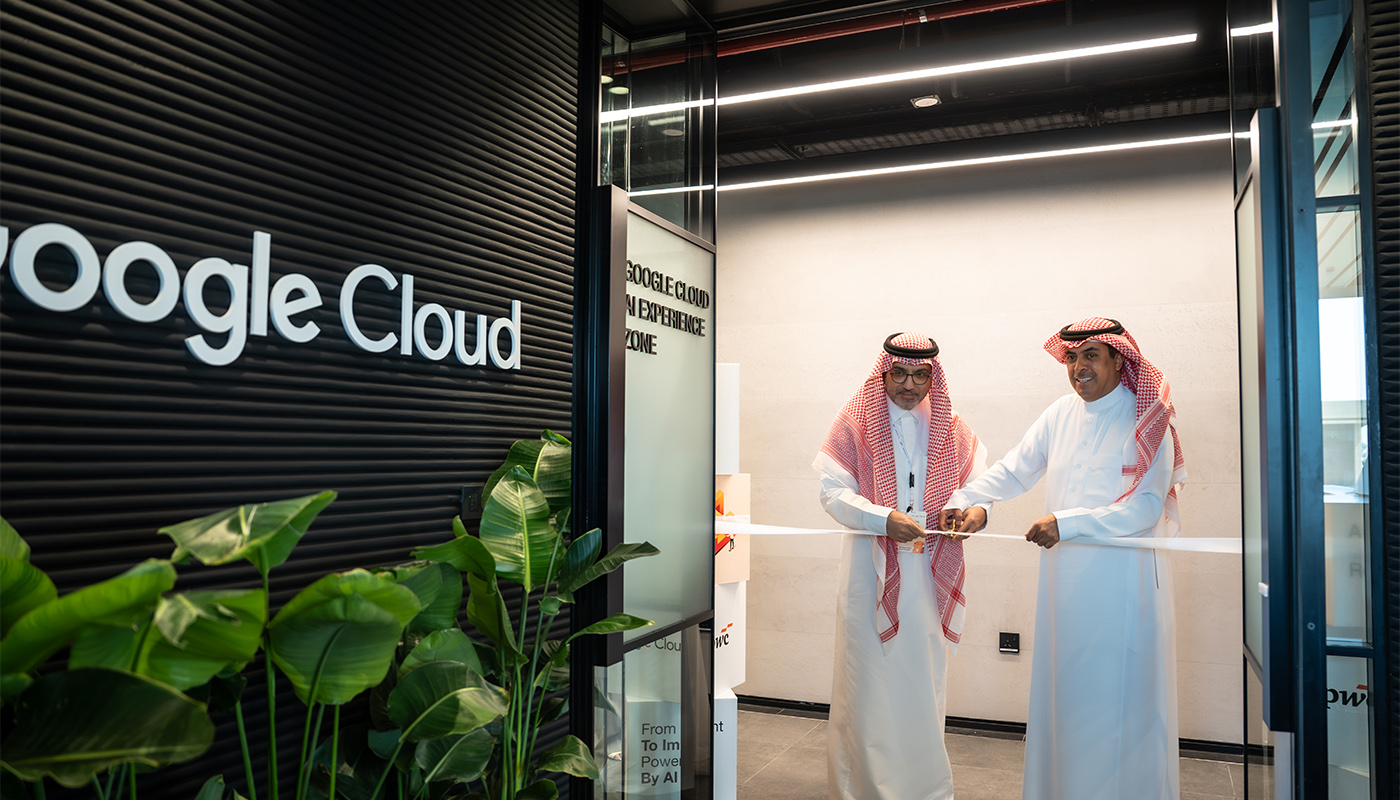
On the commercial side, PwC strengthened its collaboration with organisations across the Kingdom, including Saudi Information Technology Company, THIQAH and Jethur.
In total, the global accounting and consulting firm signed seven Memoranda of Understanding focused on advancing AI adoption, technology transformation, managed services and skills development.
Reflecting on the event
Reflecting on the event, Sarraj said: “Across four days of LEAP, PwC brought together clients, policymakers and technology leaders to explore how trusted AI is being applied in real business environments. Through leadership discussions, demonstrations and interactive experiences, the focus remained on practical implementation, workforce readiness and the capabilities organisations need to realise value from AI at scale.”
“The conversations at LEAP reinforced a clear message. As AI becomes more deeply embedded across organisations, competitive advantage will increasingly depend on how effectively businesses turn technology into measurable outcomes. Through its research, strategic collaborations and industry dialogue, PwC continues to support organisations as they build what comes next.”
Hinton added: “At PwC, our role is to bring together the best of our regional and global capabilities to help clients turn that ambition into practical outcomes, while continuing to invest in the people, partnerships and capabilities needed to build what comes next.”