Deloitte leaders on how AI powers the next generation of policing

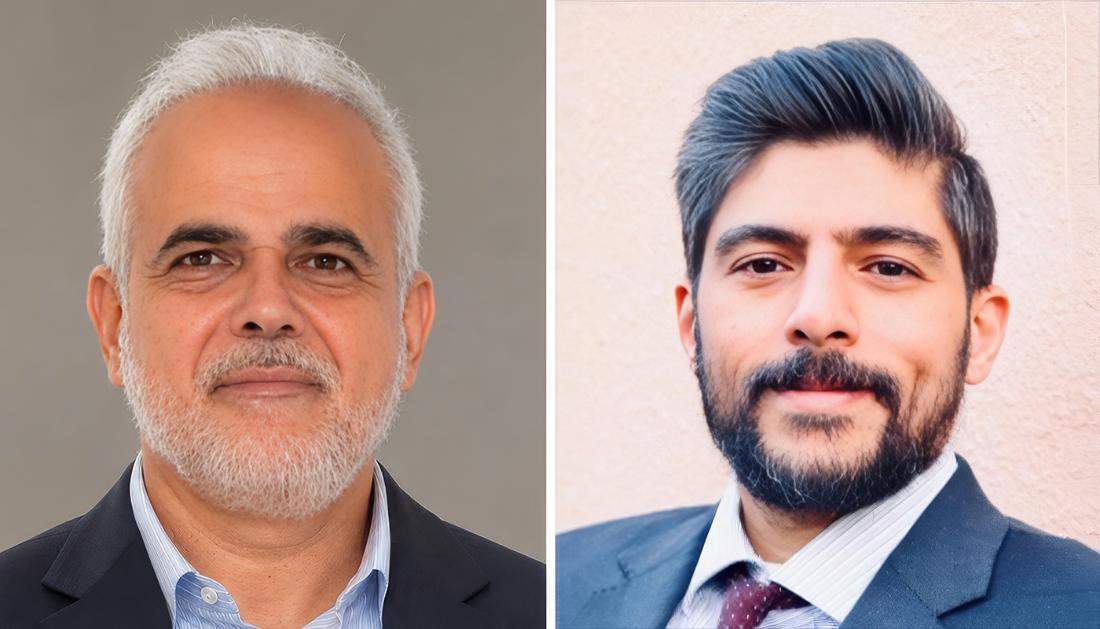
AI is increasingly becoming part of everyday policing, from improving response times and outcomes to supporting officers through robotics and real-time data. Ashish Bhugra and Amro Suleiman of Deloitte discuss how Abu Dhabi is using AI and smart-city technologies to enhance public safety, mobility and liveability – while keeping human judgement at the heart of policing.
What are the different ways AI can be implemented in policing and police systems?
Suleiman: AI can have a significant impact on policing when applied across operations, from frontline services to back-office and investigative functions. Its value comes from connecting data, workflows and decision-making across the system. This includes emergency calls, the incident response process, resource management and investigations.
Abu Dhabi Police was one of the first globally to introduce a robot officer, Major Saqr. In future, do you expect AI and robots to replace humans in certain roles in policing and the public sector? How can we ensure there is still a place for humans, among all the technology innovation taking place?
Suleiman: Robotics has advanced greatly in recent years, particularly alongside the growth of AI, and its use in civilian, police and military settings has increased. While the technology is still at an early stage, robots are already used to inspect, move or help disable suspicious packages and potential improvised explosive devices without requiring an officer to approach them directly. They can also support search and inspection tasks involving vehicles, warehouses and tunnels.
Drones can assist with surveillance, situational awareness, crowd monitoring and disaster response.
Technology should support police work while officers retain responsibility for judgment. AI and automation can help with speed, scale and routine analysis, while officers remain responsible for discretion, accountability, empathy and final decisions. Policing is as much a matter of public trust as it is an operational function.
To what extent does AI positively impact response rates and outcomes in policing?
Suleiman: AI can support the entire incident response process, rather than being applied to individual tasks in isolation. When an emergency call comes in, an AI interpreter can help translate languages and dialects, convert speech to text and identify cues in the caller’s tone that may indicate the seriousness of an incident. This can help reduce response times.
During an incident, AI can analyze the locations of response vehicles and suggest which one could be dispatched fastest. Afterward, it can help investigators analyze different types of data, identify patterns and highlight key information for officers to review. This can reduce investigation time and streamline operations.
What cybersecurity safeguards must be put in place to secure AI and digital systems against cyber threats?
Bhugra: As AI and digital systems become part of everyday operations, protecting them from cyber threats becomes increasingly important. Strong security measures should prevent unauthorized access, while the data used by AI must be kept secure and private. Systems should be checked and updated regularly to address new threats, and access to sensitive systems should be limited to those who need it.
Employees should also be trained to use these systems safely and responsibly. Together, these measures help keep AI and digital systems secure, reliable and trusted.
What is the role of AI in making Abu Dhabi into one of the world’s safest and most technologically advanced cities?
Suleiman: AI can help a city move from reactive service delivery towards more connected, intelligent operations across mobility, infrastructure and public services. It can provide an intelligence layer across urban systems, helping government entities anticipate demand and optimize services.
AI can also support a shift from reactive responses in city management to anticipating needs, from forecasting service demand to identifying infrastructure vulnerabilities and detecting risks. This can help a city such as Abu Dhabi pursue its ambition to build an integrated urban model ready for the future.
How can AI implementation in traffic & public transport policing support liveability and safety within a smart city?
Suleiman: AI can directly impact the liveability of residents and visitors. It can help reduce congestion, shorten disruptions and improve the overall travel experience. By helping detect violations, deploy response vehicles more effectively and improve traffic flow, AI can make journeys safer and more predictable. It can also help authorities identify and manage incidents more quickly.