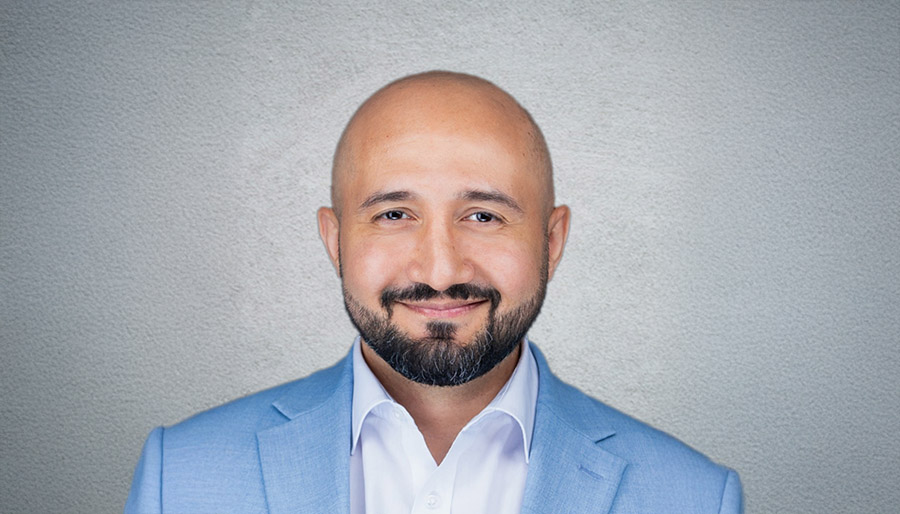
Colin Carmichael (4most): ‘Risk chiefs should rethink AI oversight’

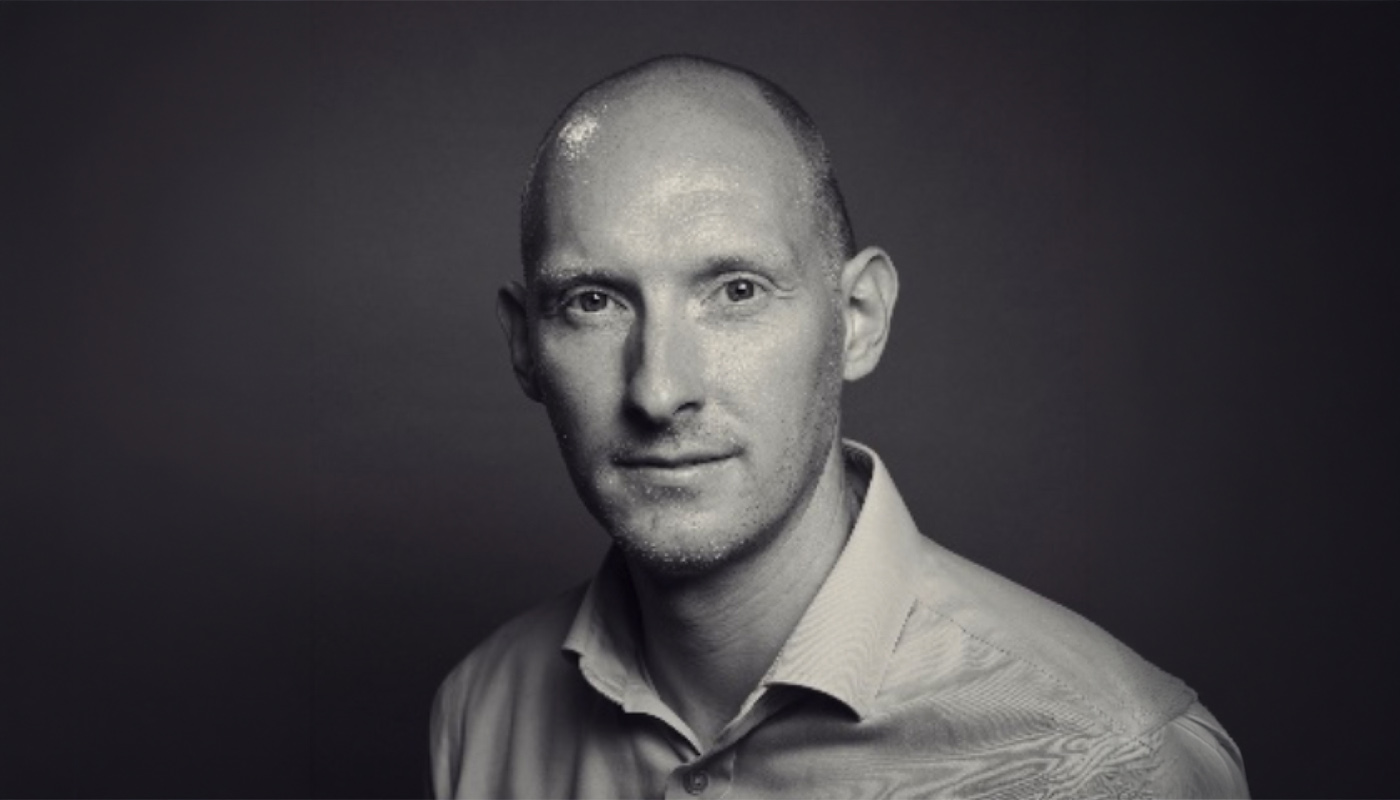
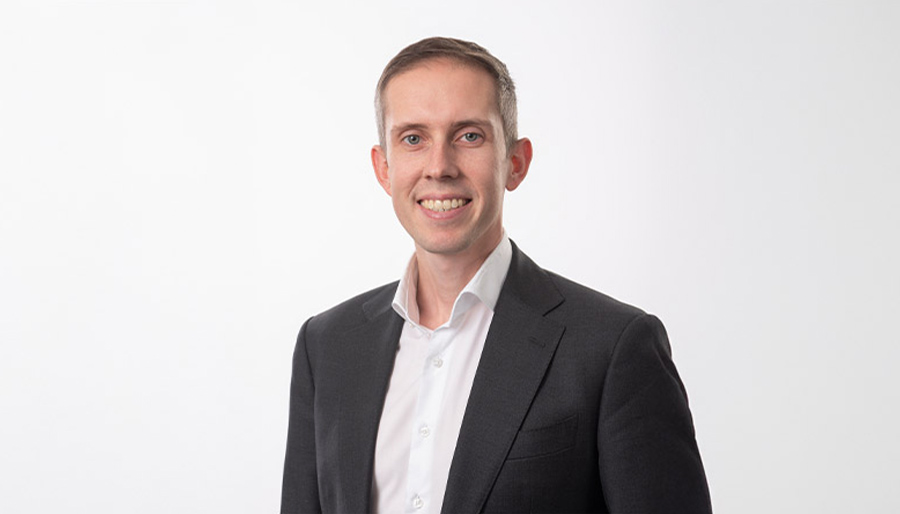
Chief Risk Officers at regional banks and insurers have an opportunity to move beyond acting as AI gatekeepers and focus on designing the governance that lets their institutions deploy it safely at scale, according to Colin Carmichael, Client Partner at risk consultancy 4most.
The call from the senior advisor comes as the Central Bank of the UAE raises the bar on AI oversight. Its February 2026 Guidance Note on the responsible adoption of AI and machine learning applies to all licensed financial institutions, including insurers, and holds boards and senior management accountable for AI systems from selection through to ongoing monitoring.
It builds on the CBUAE’s Model Management Standards, which have set minimum requirements for how UAE banks govern and validate their models since 2022.
“The appetite for AI across the GCC is not in question – the challenge is implementing it well,” said Carmichael, who is also a member of the UK Business AI Alliance.
“A Chief Risk Officers (CRO) who only says ‘no’ will simply be routed around. The job now is to build guardrails and approval pathways early, reserve the heaviest scrutiny for where customers, capital or conduct are exposed, and let lower risk applications move quickly.”
According to Carmichael, risk frameworks at many institutions are still catching up. Model risk management was built for systems that behave predictably, yet AI and Gen AI can invent answers, drift over time and be manipulated through its prompts, while agentic AI takes actions and executes chains of decisions without human sign-off at every step.
That development is moving staff from approving each decision to supervising systems that act on their own. Monitoring must therefore become continuous says Carmichael, with clear triggers such as drift thresholds, anomalous outputs and cost spikes, and pre-agreed points at which a system is paused, rolled back or switched off.
“Concentration risk is another area that merits attention. Many institutions now depend on a handful of external AI providers at a time when access to critical capabilities is increasingly shaped by geopolitics. CROs need to know which critical processes rest on a single provider and have credible contingency plans in place should access be disrupted,” he said.
In its work with banks across the region, 4most encourages risk chiefs to prove that AI pays its way through lower losses, sharper decisions, reduced cost to serve and better customer experience – gains that must hold up once the full cost of inference and oversight is counted.
“Technology is becoming less of a constraint, so the harder test is whether a use case is fair, explainable and true to the organisation’s values,” said Carmichael. “Someone must formally own that question and have the authority to slow things down. In 2027, the question for CROs will not be whether AI is being used, but whether the organisation has built the governance, oversight and resilience to use it safely at scale.”