Türkiye’s growing post-Hormuz role in the Gulf’s food security landscape

With disruption in the Strait of Hormuz exposing the vulnerabilities of the Gulf’s food supply chains, experts from Mondial & Co outline why and how Türkiye is emerging as a strategic partner for Gulf countries looking to diversify their food imports and strengthen long-term food security.
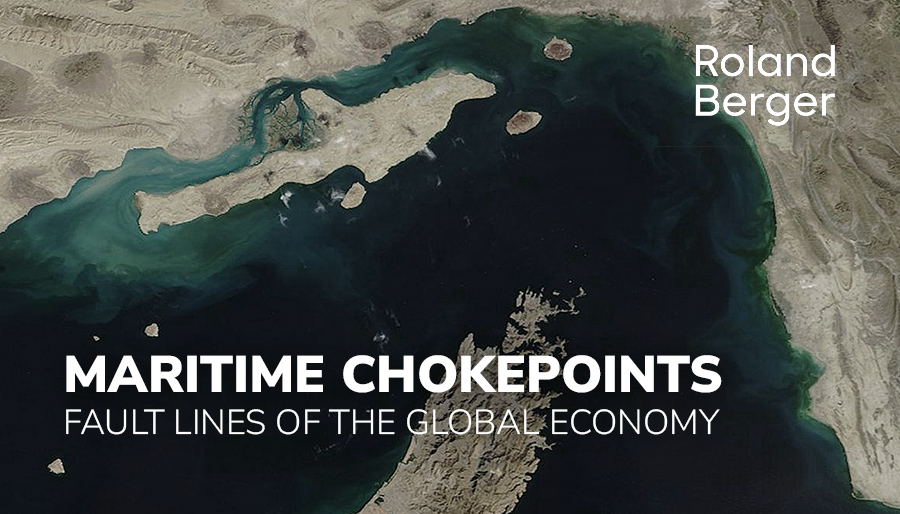
When Iran closed the Strait of Hormuz on 1 March, the shock in the Gulf was measured first in oil. Fast forward to today, and much of the impact is also being measured in terms of food security.
The six GCC states import between 80% and 90% of what they eat, and more than 70% of those imports normally arrive through the strait. As transit fell by over 80% in the first days of the closure, the cost of keeping shelves stocked rose quickly. Airfreight for perishables went up by a fifth to almost a third. In Kuwait and Bahrain, fresh meat and fish cost between 30% and twice as much as before.
Shipping lines added emergency surcharges of up to $4,500 a container, and Saudi cargo diverted from Dammam to Jeddah spent an extra ten to fourteen days in transit.
Shortages never materialised, largely because the region had prepared for this scenario. Saudi Arabia held two to four months of staples in reserve, the UAE four to six. Yet eight months later, cargo traffic through Hormuz is still well below its pre-war level, and reserves were never designed for a disruption of this length. The question facing Gulf governments and food companies has moved on from how to absorb a shock to where their food should come from in the years ahead.
A strategy without a map
Many of the region’s advisors have reached the same conclusion. Strategy& for instance has urged GCC governments to diversify both trade routes and sources of critical commodities, to invest in agricultural technology, and to build food processing clusters that reduce reliance on imported finished goods.
Palladium, meanwhile, set out a roadmap that runs from short-term stabilisation through 2026 to structural change by 2028, with alternative suppliers and regional production networks at its centre.
What these recommendations rarely do is name the alternatives, and that omission has become harder to overlook. Iran had been one of the Gulf’s larger sources of fresh produce, selling some €2.6 billion of fruit and €1.3 billion of vegetables abroad each year, until it banned those exports on 3 March. Many other suppliers depend on the same sea lane.
For diversification to mean anything, the Gulf needs partners that are close at hand, large enough to make a difference and reachable without passing through Hormuz.
The case for Türkiye
Türkiye meets more of those conditions than most of its neighbours. The country exported $36.4 billion of agricultural products in 2025, about 15% of its total exports, and its trade ministry expects record harvests in most crops this year. Türkiye is a leading producer of fruit, vegetables, nuts, pulses and wheat flour, and much of its export industry already works to European standards.

Its value to Gulf buyers goes beyond raw produce. Türkiye has a broad food processing base, from flour and pasta to dairy, confectionery and frozen goods, and halal production is the norm there, not a specialty. Its main harvests also arrive in the months when summer heat holds back production in the Gulf, so Turkish supply complements the region’s own investment in greenhouse and vertical farming instead of competing with it.
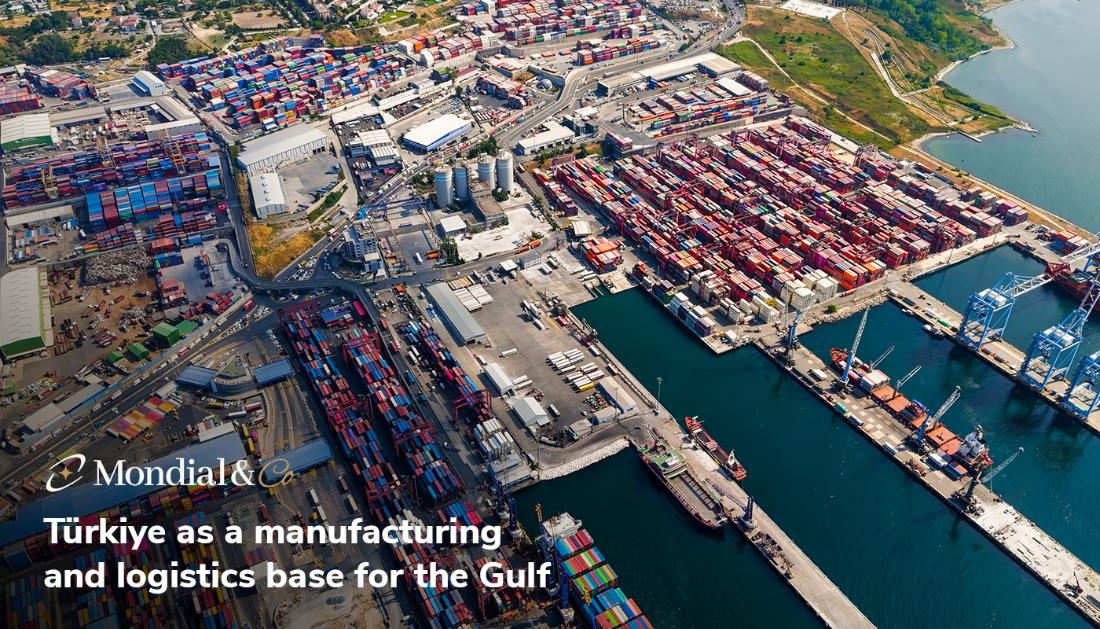
Geography is the newer part of the argument. Turkish goods can reach the Gulf overland, or by sea through the Red Sea and Saudi Arabia’s western ports, and both routes avoid Hormuz. In April, Ankara and Riyadh launched a transit trade arrangement for goods stranded by the closure, and the trade figures already show its effect. Türkiye’s exports to the Gulf as a whole fell by 21% in the first seven months of the year, yet exports to Saudi Arabia rose by 10% and those to Oman by almost 30%.
Investors should be clear about what is not yet in place. The land routes cross several borders, each adding cost and time. The Saudi transit arrangement was designed mainly for industrial goods such as petrochemicals and fertilisers, not fresh food. Cold-chain capacity along these corridors is still limited. Türkiye can supply the food; the infrastructure to move it reliably is still being built.
From purchasing to presence
How Gulf companies engage will depend on how much control they want and how long they are prepared to wait. In our work with agriculture and food businesses in Türkiye, the approaches that hold up best are those that move progressively closer to the source.
Long-term supply agreements with Turkish producers are the quickest place to start, but their value depends on qualification done in advance. Capacity, certifications, cold-chain practices and financial health all need checking before volumes are committed. A supplier that serves European retailers well still has to be tested against Gulf specifications, labelling and halal requirements.
Contract farming takes buyers a step further. By agreeing varieties, growing practices and prices with cooperatives or large growers before planting, a buyer gains control over quality and volume without owning land, an approach particularly well suited to fresh produce.
For investors with a longer horizon, joint ventures in processing, packaging and cold storage create the most durable value. They convert seasonal harvests into year-round supply and mirror the processing clusters Gulf governments are already building at home. They also make the choice of local partner the decision on which everything else rests.
The least developed opportunity lies in the corridor itself. Refrigerated trucking, consolidation hubs and storage along the routes that avoid Hormuz are where Gulf capital, Turkish logistics capability and the policy interests of both governments now meet. Early movers here are likely to set the terms for those who follow.
Moving beyond the crisis
The strait will eventually return to normal, and with it will come the temptation to fall back on old patterns. A food system that depends on a single route has always carried that concentration risk; this year simply put a price on it.
The governments and companies that come out of this period strongest will be those that turn diversification into specific commitments, with named countries, qualified partners and routes tested before they are needed. Türkiye has a strong claim to a place in that plan. Securing it will take the same groundwork as any serious cross-border investment, and that work is best started well before the next disruption.