Dubai and Istanbul emerge as complementary hubs for regional growth

For companies seeking to enter the Middle East, the question of where to anchor regional expansion is a strategic decision. According to market entry experts at Mondial & Co, the companies that read the convergence of Dubai and Istanbul correctly will build the strongest regional positions over the next decade.
For twenty years, international brands, investors and advisory firms have typically established a presence in Dubai before expanding into the rest of the region. Choosing Dubai as a regional hub became almost instinctive.
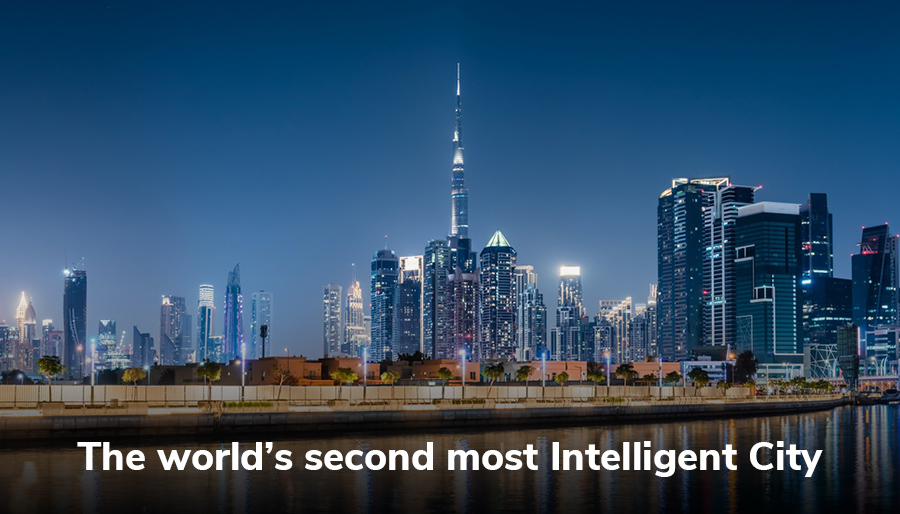
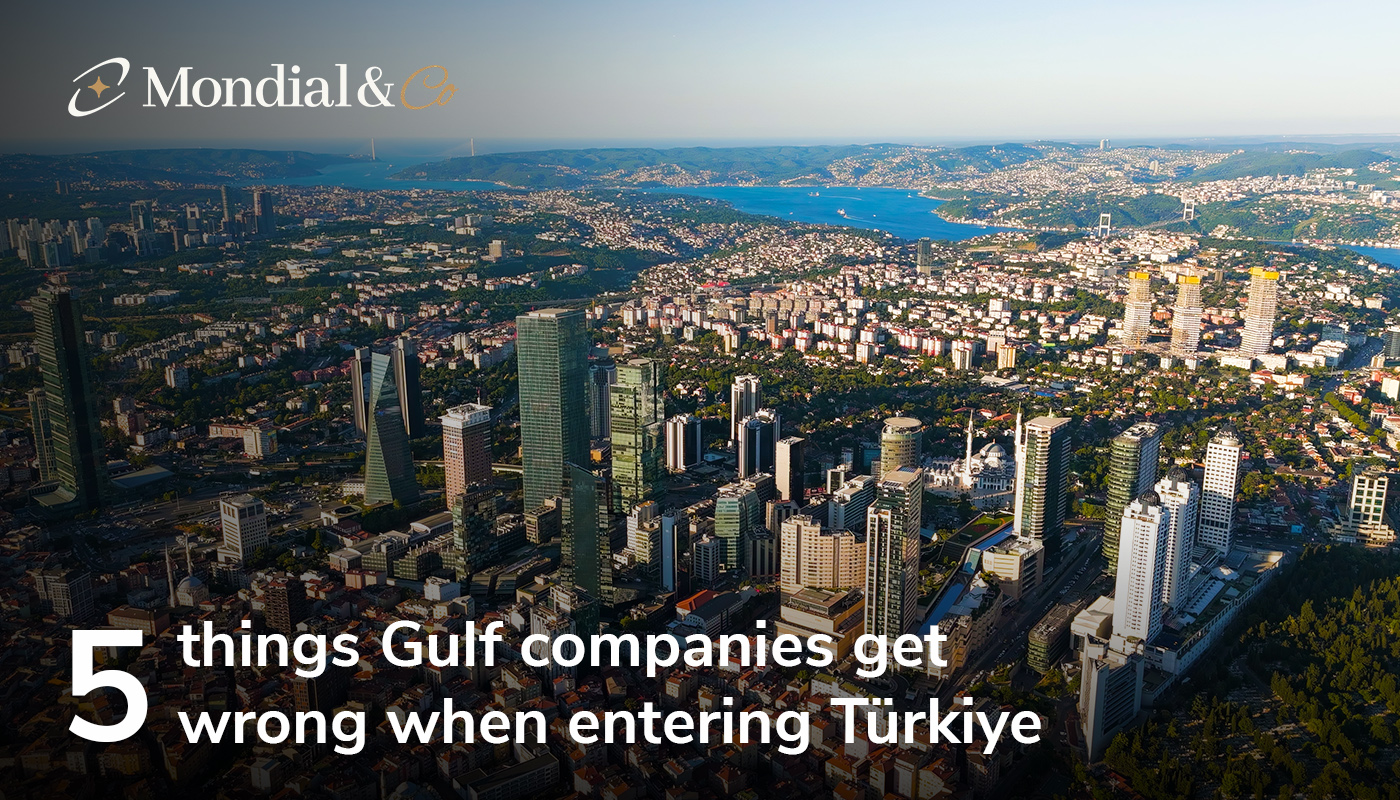
In 2026 that reflex has given way to a genuine strategic question. On the latest Global Cities Index from Kearney, Istanbul posted one of its sharpest rises in a decade while Dubai continued its own ascent. For the first time, the two cities moved together, and the index began treating them as peers in the regional business geography.
The convergence does more than redraw a ranking. It changes the question CEOs ask when they contemplate regional expansion. The earlier question now carries real weight: which of these two cities should the business be anchored in, and in what sequence should they be engaged? Each city has its case, and the cases are different in kind.
The case for Dubai
Dubai offers the advantages that built its position as a gateway: free zones, English as the working language, financial infrastructure, regulatory ease, and direct proximity to GCC consumer flows. For a company whose first regional priority is financial services, luxury retail, or Gulf consumer access, the answer still points to Dubai, and the decision closes quickly.
The case for Istanbul
Istanbul offers a different proposition, one that rewards a closer look. The EU-Türkiye Customs Union provides zero-duty access to European markets for industrial goods, a competitive advantage distinctive to the Türkiye position. The manufacturing base is deeper and more cost-competitive than any alternative in a two-thousand-kilometre radius.
The labour market is skilled and competitively priced. Istanbul is also the only serious platform for companies with ambitions in the Türkic world, the CIS, and the Balkans alongside the Middle East.
The route to regional growth
A consumer brand entering Türkiye first often finds its Gulf expansion is faster and cheaper from that base than it would have been from Dubai directly.
The companies thinking about this well treat the hubs as complements, and the sequencing patterns that emerge from the complementarity are becoming visible. Financial services and luxury houses tend to lead with Dubai and reach Istanbul second. Consumer brands and manufacturers more often reverse the order. Larger multinationals with the capital for simultaneous entry take both on at once.
Each sequence carries its own cost structure, tax implications, hiring profile, and route to market, and shapes which regional opportunities become reachable from the first operating base.
The hub decision is often delegated to legal and tax teams, who optimise for the regulatory structure. The hub choice carries more strategic weight than that. It determines where the senior team sits, which market intelligence arrives in real time, which partnerships become natural, and which regional conversations happen without a flight. It is strategic as much as administrative. The companies that treat it that way build the regional presence that compounds over the next decade.